ZAMBIAN BREWERIES AND ZRST ROLL OUT LIFE-SAVING ROAD SAFETY INTERVENTIONS IN LUSAKA
New infrastructure targets motorcycle and pedestrian
accident hotspots as city records surge in road crashes
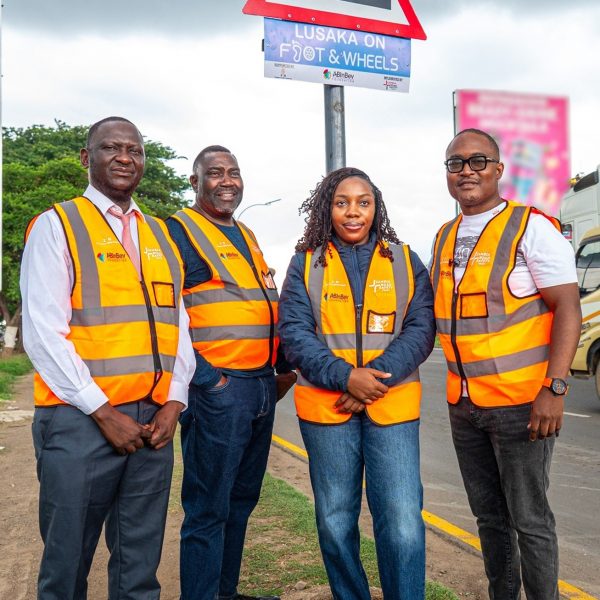
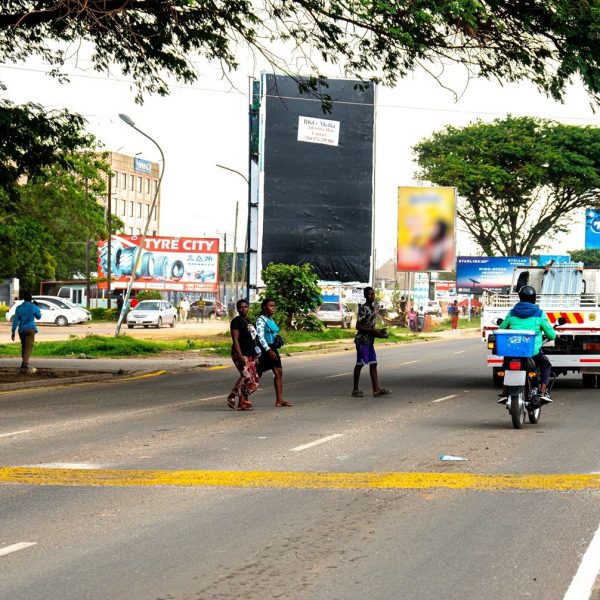
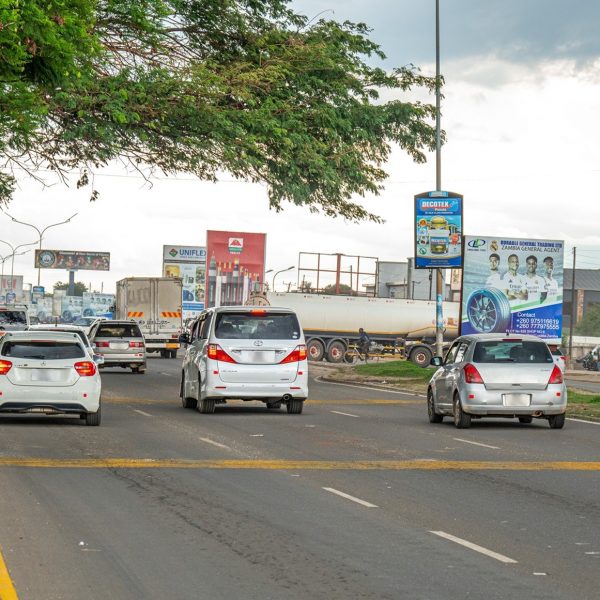
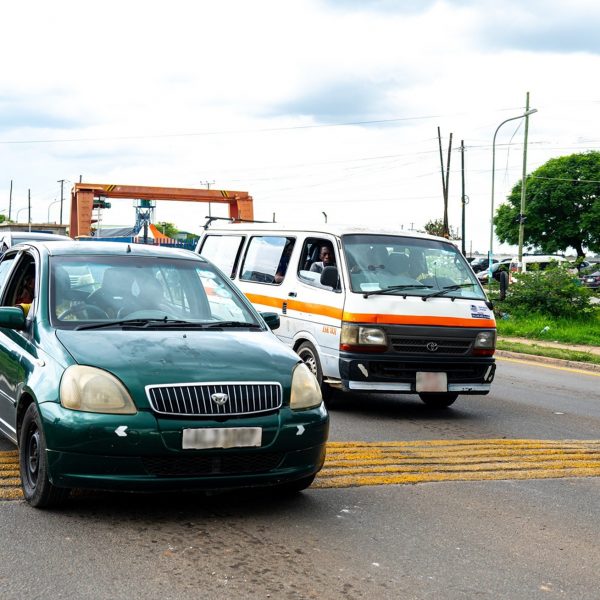
LUSAKA, ZAMBIA – Zambian Breweries, in partnership with the Zambia Road Safety Trust (ZRST) and supported by the AB InBev Foundation, has unveiled a series of road-safety infrastructure interventions under the Lusaka on Foot and Wheels (LoFW) project. The initiative targets selected high-risk traffic hotspots in the city, responding to a sharp rise in pedestrian and motorcycle-related accidents in Lusaka over the past years.
According to ZRST data, Lusaka has recorded one of the highest concentrations of road traffic incidents in the country, with pedestrian casualties accounting for nearly 40% of fatalities on the city’s roads. Motorcycle-related accidents have also surged due to the rapid growth of the delivery and courier economy. High speeds, inadequate road-use training, and a lack of pedestrian-friendly infrastructure continue to contribute to preventable injuries and loss of life.
Speaking at the launch, Zambian Breweries Director of Legal & Corporate Affairs, Tawanda Hojane, reaffirmed the company’s commitment to community safety:
“Today represents an important step toward building a safer Lusaka. Through the Lusaka on Foot and Wheels project, we are responding to the very real risks faced every day by pedestrians and motorcycle riders. Safer roads mean our employees return home to their families, our distribution networks operate more reliably, and our retail partners can serve customers in secure environments.
ZRST Director and road-safety expert Daniel Mwamba highlighted the importance of the intervention, stating:
“Pedestrians, schoolchildren, and motorcycle riders remain the most at-risk road users in Lusaka. Many people walk long distances every day, and yet our infrastructure has not always kept pace with the realities on the ground.
Through our collaboration with Zambian Breweries and the AB InBev Foundation, we have been able to use data to identify the most dangerous hotspots and implement engineering solutions that reduce speed, improve crossings, and ultimately save lives.” He added: “The early results speak for themselves; traffic that once moved at high speed is now slowing to safer levels. Over the next 12 months, we will continue to monitor the sites and expect a meaningful drop in crashes and near-misses. Road safety is a shared responsibility, and we encourage more partners to join this work.”
The intervention sites were selected after a thorough assessment done in partnership with Lusaka City Council (LCC) and Road Transport and Safety Agency (RTSA). Their expertise and local knowledge helped ensure the project addresses the city’s pressing safety concerns. This collaboration demonstrates the impact of government, civil society, and private sector working together for the public good.
Commuters Rights Association of Zambia and Road Transport and Safety Agency (RTSA) board member Aaron Kamuti said, “we would like to see more of these initiatives, especially on school grounds and where we have bus stations and bus stops. because, you know, this has been happening where a passenger who disembarked from a bus trying to cross the road is bashed because there are no such interventions.”
Zambian Breweries and ZRST describe the LoFW project as a model for partnerships that translate evidence into action. With Lusaka’s rapid urban expansion and increased motorcycle usage, both organisations stress that sustained investment in safety will be critical for Zambia’s social and economic resilience.
The partners plan to extend monitoring to additional hotspots in 2026 and continue community engagement and awareness campaigns.